Comping (comparing prices) is the best way to figure out what your Pokémon cards are truly worth. Whether you’re selling, trading, or organizing your collection, this simple guide will help you comp cards accurately and avoid overpaying or underselling.
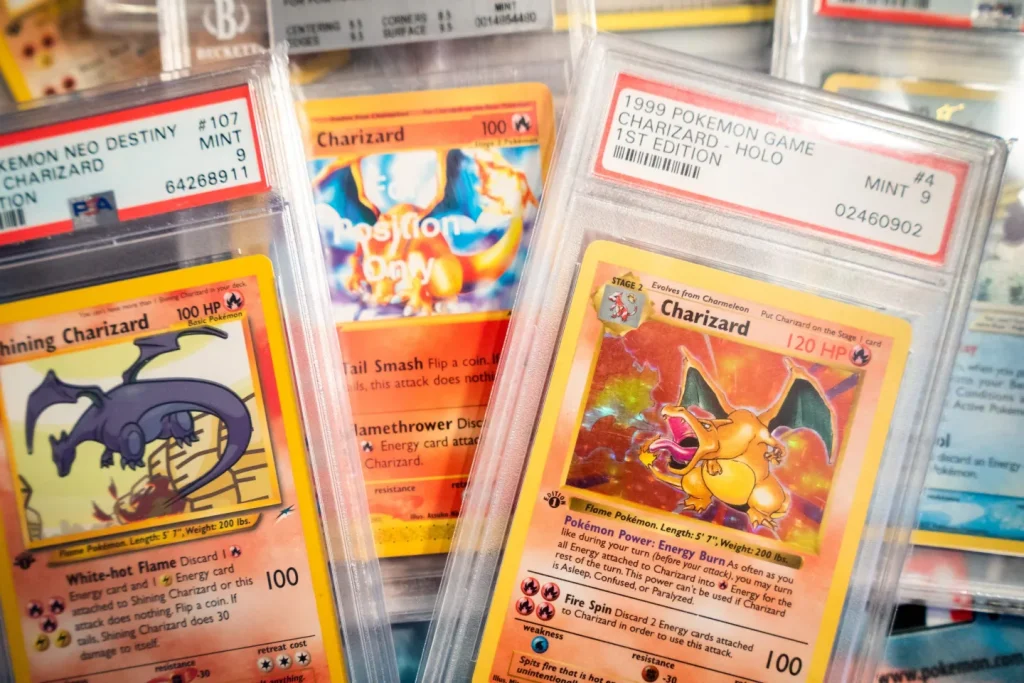
1. Identify the Card
Before checking prices, note:
- Card name
- Set & set symbol
- Card number
- Rarity (Holo, Full Art, Alt Art, etc.)
- Version (Regular/Reverse/Promo)
- Condition (NM/LP/MP/HP or grade: PSA/BGS/CGC)
Condition changes value a lot, so be honest when evaluating.
2. Use SOLD Listings Only
Asking prices aren’t real comps — sold listings show what buyers actually pay.
Best places to check:
- eBay Sold Listings
- TCGplayer Market Price
- CardMarket (EU)
- WhatNot sale history
- PokeData / PriceCharting
Search using: Card name + set + number
Match condition and version exactly.
3. Look at Market Trends
Check recent sales (last 30–60 days):
- Are prices rising or falling?
- Are Buy-It-Nows higher than auctions?
- Are new set releases or hype affecting the card?
If prices vary, use a range instead of a single number.
4. Adjust for Condition
Raw card adjustments:
- NM → Full value
- LP → 10–20% less
- MP → 30–40% less
- HP → Often 50%+ less
For graded cards, compare same grade / same company only.
5. Average the Data
A simple formula:
Final Comp = Average of recent sold prices ± condition adjustments
Example: Sold comps: $48, $52, $55 → Avg ≈ $52
LP condition → about $45–$47.
Using multiple sources creates a more accurate comp.
Final Thoughts
Comping Pokémon cards doesn’t need to be complicated. Stick to recent sold listings, match condition accurately, and check multiple sources. With a few minutes of research, you can confidently determine any card’s true value.